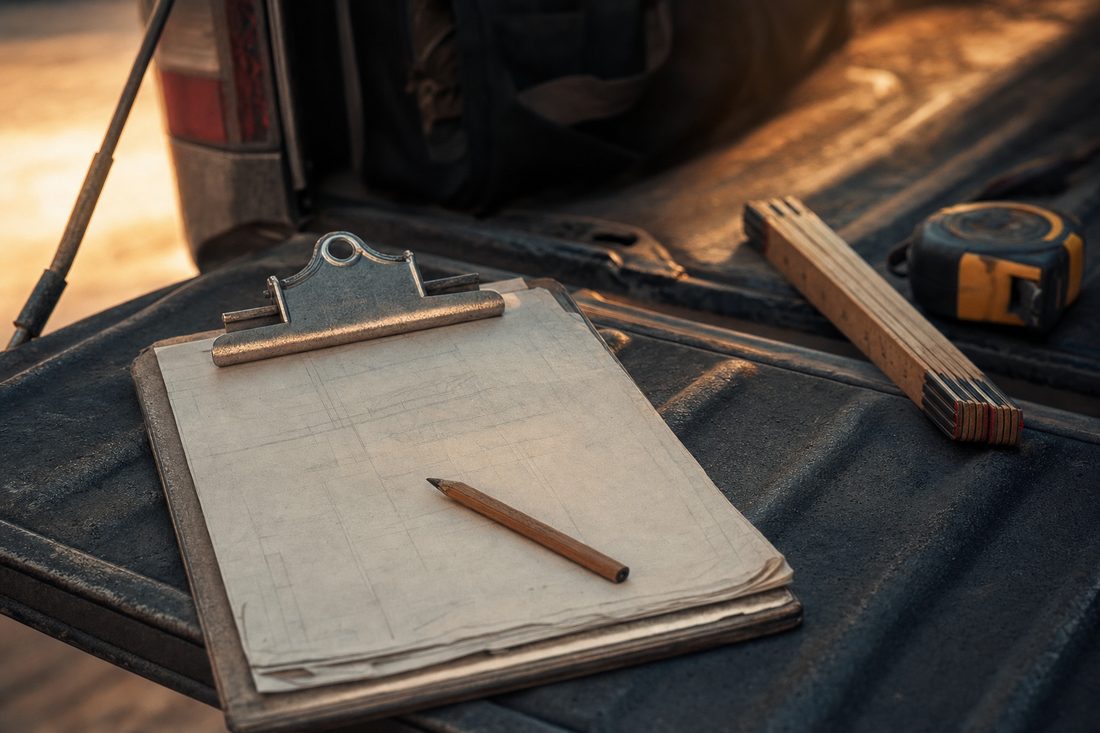
Here's a moment that decides more jobs than almost anything else you do, and most owners treat it like an afterthought: the estimate. By the time you're writing a quote, the customer already called you, you already showed up, and they already like you enough to ask what it'll cost. That's the hard part, and it's done. Then a slow, confusing, or half-scribbled estimate quietly hands the whole thing to whoever else they called.
The estimate isn't paperwork. It's the last thing standing between you and the job, and it's the clearest signal a customer gets about what working with you will actually be like. Get it right and you close work you'd otherwise lose — without dropping your price a dime.
Slow kills more deals than price
The single most common way good businesses lose a job is taking too long to get the quote back. The customer's ready to move, they've got two or three estimates coming, and the one that shows up first and clearest usually wins — often before your number even lands in their inbox. A day or two feels reasonable to you. To someone with a leaking roof, it feels like you're not that interested.
You don't have to quote everything on the spot. You just have to be quick and predictable about it. A simple rhythm beats speed alone:
- Tell them when to expect the estimate before you leave — 'I'll have this to you by tomorrow afternoon.'
- Then actually hit that time. Beating your own deadline builds more trust than any sales line.
- Send it in writing they can keep and read twice, not just a number said out loud at the truck.
- Follow up once a few days later — a quick 'any questions on that estimate?' closes more jobs than most people realize.
Half the battle is just being the one who did what they said they'd do, when they said they'd do it. Most of your competition won't.
A clear quote is a trust document
When a customer reads your estimate, they're not just checking the total — they're deciding whether they trust you. A quote with one lump sum and no detail makes people nervous, even if the price is fair. A quote that plainly lays out what you're doing, what's included, and what it costs tells them you've got nothing to hide. It answers the questions they were too polite to ask.
You don't need fancy software or ten pages. You need a clean, readable estimate with your business name on it, the work spelled out in plain words, the price broken out enough that it makes sense, and clear terms. That alone puts you ahead of the guy who texts a number with no explanation.
People aren't just buying the work. They're buying the feeling that they won't get surprised. A clear estimate is where that feeling starts.
The estimate is also where a lot of trust gets broken later — when the final bill doesn't match what was quoted. Getting it clear and complete up front protects you as much as it reassures them.
If getting quotes out fast is the part that lags
Turning estimates around quickly, in writing, that look clean and professional, and remembering to follow up on every one — none of it is complicated, but it's a real job on top of the actual work, and it's usually the first thing to slip when you're busy. That's the kind of steady, behind-the-scenes setup we put in place for the businesses we work with, so your quotes go out fast and land looking like the professional you are. If jobs have been slipping away after the estimate, let's talk — it's often the cheapest place to win back work you're already close to landing.